


Silk Jacquard - A Complete Guide


- 1. What is Silk Jacquard Fabric?
- 2. The History of Jacquard: From Joseph Marie Jacquard to Modern Looms
- 3. Where is Jacquard Fabric Produced?
- 4. How is Jacquard Fabric Made?
- 5. What Are The Properties and Qualities of Jacquard Silk?
- 6. How Many Different Types of Jacquard Silks Are There?
- 7. Joel & Son's Silk Jacquard Available Materials
- 8. Properties and Qualities of Silk Jacquard
- 9. What is Silk Jacquard Used For?
- 10. Tips for Working With Silk Jacquard
- 11. How to care for Jacquard Silk?
- 12. Silk Jacquard vs other types
- 13. How much does Silk Jacquard cost?
- 14. Joel& Son's Silk Jacquard collection
- 15.
Silk jacquard is a soft and shiny material known for its unique texture and patterns.
This luxurious fabric is a popular choice for dresses and formal clothing.
So, what is the story behind silk jacquard?
Discover Your Favourite Silk Jacquard
Only best quality luxury silk jacquard Fabrics at Joel & Son
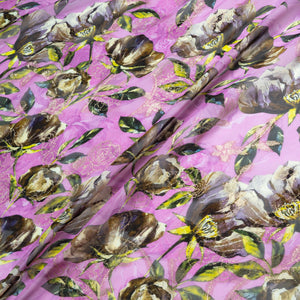
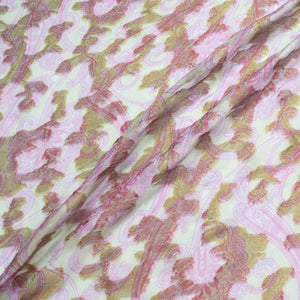
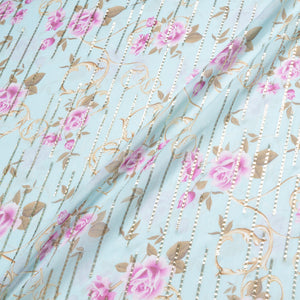
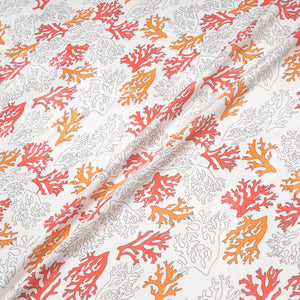
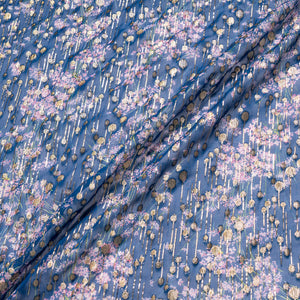
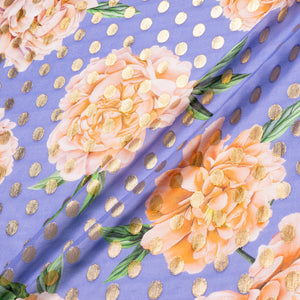
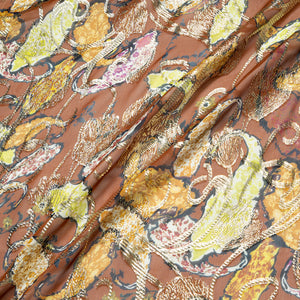
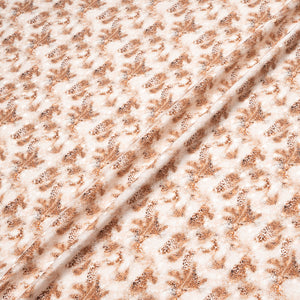
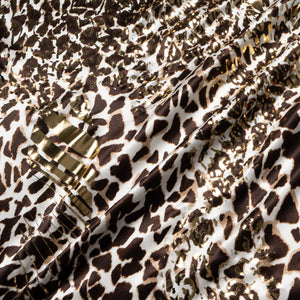
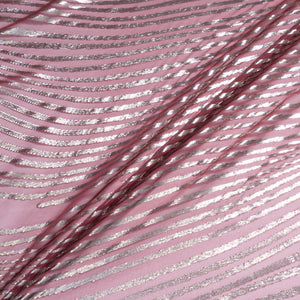
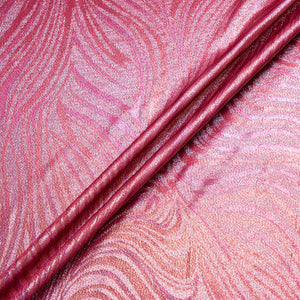
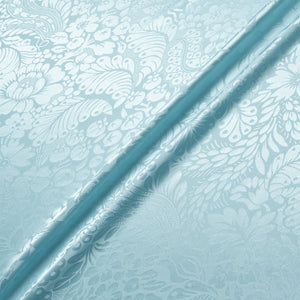
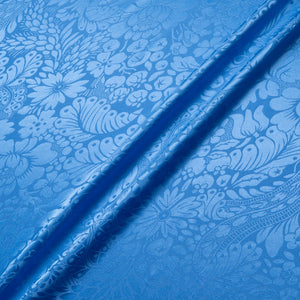
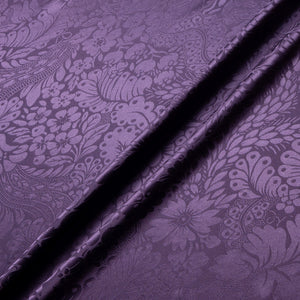
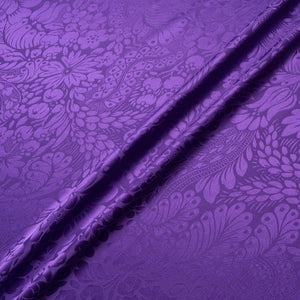
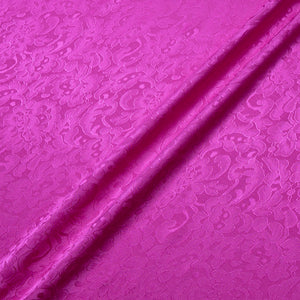
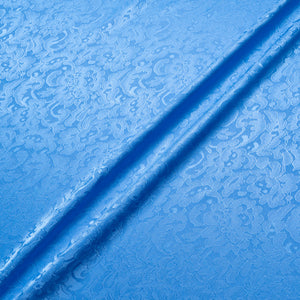

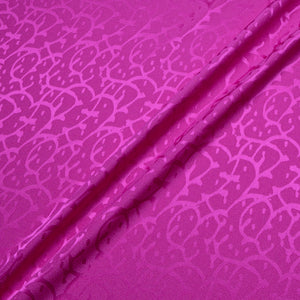
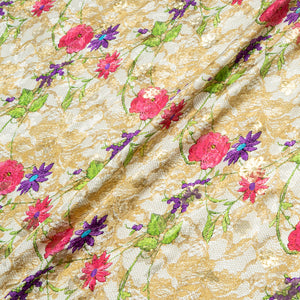
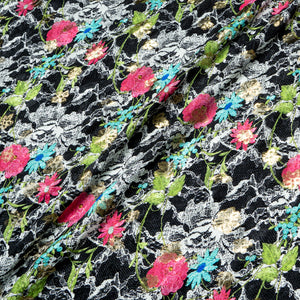
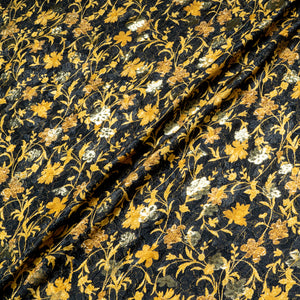
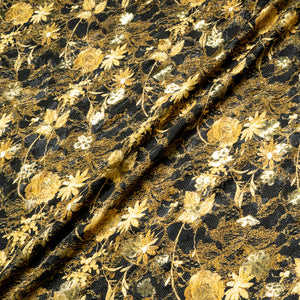
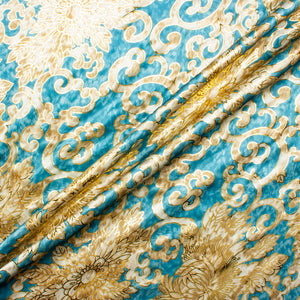
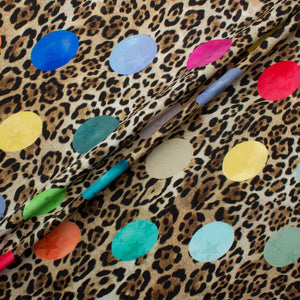
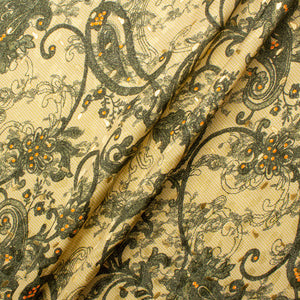
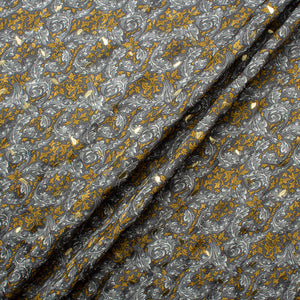
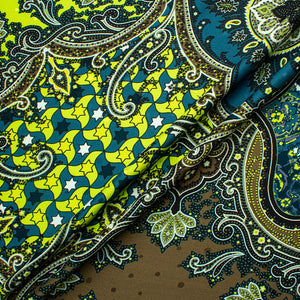

What is Silk Jacquard fabric?
Two components make silk jacquard: the natural fibre of silk and the advanced jacquard weaving technique.
The key feature is the jacquard weave, a special method made on a Jacquard loom that creates detailed patterns woven directly into the fabric structure rather than printed or embroidered on the surface.
This intricate weaving technique uses complex patterns controlled by the loom mechanism, allowing unlimited design possibilities..
The term ‘jacquard’ refers specifically to the weaving method, not the material itself, meaning any fibre can be used to create jacquard fabric. However, when combined with silk, it produces one of the most luxurious textiles available.
The distinctive quality of silk jacquard is that the patterns are woven into the fabric during the weaving process, creating a reversible design where the back often shows a mirror image of the front pattern. This sets it apart from printed fabrics and creates visual interest and structural integrity.
The history of Jacquard: from Joseph Marie Jacquard to modern looms
The inventor and his revolutionary machine
Joseph Marie Jacquard was born on July 7, 1752, in Lyon, France, into a conservative Catholic family of weavers. Growing up in the textile trade, young Joseph witnessed firsthand the gruelling labour required for complex pattern weaving.
Before Jacquard’s invention, creating ornate fabrics required two people: a skilled weaver and an assistant called a ‘draw boy’. These children, often aged 6-8, would spend gruelling hours lifting heavy warps that weighed up to half their body weight. This dangerous work produced perhaps only an inch of fabric per day.
The revolutionary breakthrough
In 1804, Joseph Marie Jacquard patented his revolutionary loom attachment, which used punched cards to control the weaving pattern. Each card corresponded to one row of the design, with holes punched to indicate which warp threads should
be raised.
This innovation was immediately recognised for its potential. On
April 12, 1805, Emperor Napoleon and Empress Josephine visited Lyon to view Jacquard's new loom. Three days later, Napoleon granted the patent to the city of Lyon.
Industry transformation and social impact
The introduction of the Jacquard loom faced fierce resistance from silk weavers who feared job losses. In Lyon, workers not only burned the machines but also attacked Jacquard himself. However, by 1812, 11,000 Jacquard looms were in use across France.
The Jacquard technique dramatically reduced the cost of intricately designed woven fabrics, making luxurious textiles like damask and brocade accessible to average people for the first time.
Legacy in modern computing
Jacquard's punched-card system played a crucial role in the development of computing. Charles Babbage adopted the concept for his Analytical Engine, and Herman Hollerith used a variation for the 1890 U.S. Census.
Punched cards remained the primary mechanism for operating electronic computers until digital input emerged in the mid-20th century.

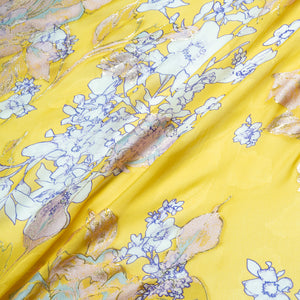
'Lady's Smock' Floral Printed Yellow Silk Jacquard
A pretty 'Lady's Smock' floral print on a yellow pure silk with delicate mini spot jacquard by Emanuel Ungaro. This lightweight silk is ideal for both summer and winter and the perfect lightweight fabric for dresses or blouses and available in a variety of colour ways.
View the collectionWhere is Jacquard fabric produced?
Production is concentrated in several key regions worldwide, with China leading as the largest manufacturer of finished jacquard textiles. This dominance stems from China's position as the world's biggest producer of silk and cotton, combined with significant technological advancements in computerised weaving equipment.
India is the world's largest producer of raw cotton fibre, while Australia supplies high-quality wool.
Italy maintains a prestigious position in luxury jacquard production, particularly for high-end silk jacquards used in fashion and interior design.
Other notable producing regions include parts of Europe and Turkey, each specialising in jacquard manufacturing from traditional
techniques to modern industrial production.
Where is our Silk Jacquard fabric collection produced?
Our collection comes from Italian manufacturers who use eco-friendly dyes and low-impact production methods. Many also follow strict rules to reduce water and energy waste. By choosing these makers, we support quality craftsmanship and a cleaner future.
How is Jacquard fabric made?
Traditional production methods
The first Jacquard looms used punch cards to control the pattern. These cards helped guide the threads, making detailed designs possible. This was a big step forward for the industry at the time.
Modern computerised production
Today’s silk jacquard production has evolved significantly.
Digital pattern creation
Modern producers control the weave with sophisticated computer programs, allowing for faster output, finer detail, creative freedom, and capacity for even more complex designs than ever before..
Advanced loom technology
Contemporary computerised Jacquard looms reduce the need for human input, making weaving jacquard fabrics more efficient and cost-effective.
Silk preparation process
• High-quality silk fibres are carefully selected and prepared
• Threads are dyed to precise colour specifications
• Multiple coloured threads may be used to create complex patterns
Weaving process
The computerised loom arranges silk yarns into complex webs while producing the desired pattern. Some looms are capable of weaving multiple pieces simultaneously.

What are the properties and qualities of Jacquard Silk?
Depending on the finishing touches, it can have a glossy or dull finish. The fabric can also be sheer or opaque, making it a desirable choice for evening wear and special occasions.
Many of these properties are due to the combination of the weave and silk as the material. However, most of these fabrics also have other characteristics in common.
• Soft and pleasant feel
• Decorative and ornamental finish
Because the design is within the weave, it results in a reverse pattern that designers often use for its unique aesthetic appeal, for example, in coats. Depending on the pattern and chosen material, it can have a raised and textured finish.
How many different types of Jacquard Silks are there?
There are numerous types, each with its unique uses. Jacquard is an umbrella term encompassing several distinct fabric types, all unified by their complex woven patterns.
Here are the main types you'll encounter:
1. Silk Brocade
Brocade features raised, embroidered-like patterns with colourful designs, often incorporating metallic threads. Unlike damask, brocades are not reversible and typically have floating threads on the back.
2. Silk Damask
Damask is characterised by its reversible, patterned weave, with designs appearing on both sides. It's typically flatter than brocade and often features a lustrous finish from satin weaving techniques.
3. Silk Matelassé
Matelassé features raised, puffy, quilted textures designed to imitate hand-quilting. This double-cloth weave creates distinctive blistered effects.
4. Silk Brocatelle
Brocatelle is similar to brocade but with more complex patterns featuring distinctive raised, puffed surfaces. It is usually heavier and more durable than standard brocade.
Joel & Son's Silk Jacquard Available Materials
Here are some silk jacquard materials available in our store:
Silk Georgette Jacquard
A sumptuous fabric with a draped finish and beautiful design. The material is one of the most popular picks for formal wear, such as
dresses and gowns.
Silk Lamé Jacquard
The fabric is woven with metallic yarn, such as silver. It has a unique metallic shine, usually with shiny and matt reverse sides.
Lamé Jacquard offers durability with slightly stretch properties.
Just like there are many ways to weave silk, there are also different ways to use the Jacquard loom with it. This mix of methods creates many fabric styles, giving designers an array of options for patterns and products.
Properties and qualities of Silk Jacquard
Surface finish options
Silk jacquard can achieve glossy or matte finishes depending on the finishing treatments applied. The fabric may also range from entirely opaque to subtly sheer, making it versatile for evening wear and special occasions.
Texture and feel
• The combination of silk fibre and loom weave creates a soft and pleasant fabric
• Patterns create a decorative finish as well as adding visual depth and luxury appeal
• Many of these fabrics feature attractive reverse patterns that designers often incorporate for unique aesthetic effects
Comfort and wearability
Silk is naturally lightweight and breathable, characteristics that perfectly complement jacquard weaving. This makes silk jacquard particularly suitable for:
• Summer clothing, due to its airy, breathable design
• Year-round wear when blended with other fibres
• Formal occasions requiring both elegance and comfort
Structural benefits
• Raised and textured patterns which create visual depth and tactile interest depending on the specific weaving technique
• Enhanced durability through the jacquard weave, which adds structural integrity to the silk fibres
• Dimensional stability ensures woven patterns resist distortion better than printed designs
Comparison with other silk weaves
Unlike plain silk weaves, jacquard silk offers:
• Integrated patterns that won't fade, crack, or peel like printed designs
• Enhanced visual interest through varied textures and light reflection
• Versatile design possibilities from subtle tone-on-tone effects to bold multicolour patterns
What is Silk Jacquard used for?
Fashion and apparel applications
The elegant and luscious style makes this fabric perfect for clothing and accessories. Because the design is woven into the silk and not printed on later, you can use it for unique styling ideas. There are jacquard silks in single colours, floral prints, and with stripes and polka dots. This range of designs means it’s a good choice for all clothing items and perfect for sophisticated garments like:
• Dresses and gowns, which represent the most popular application, offering refined looks with excellent draping qualities
• Cocktail dresses, which benefit from the fabric’s ability to provide structure while maintaining feminine silhouettes
• Evening coats, which often showcase reverse patterns for unique design elements and styling
• Bridal wear, which gains texture and visual interest without overwhelming details
Accessories and details
• Bow ties and neckties excel in formal menswear applications
• Scarves and wraps create luxury accessories with reversible styling options for versatile wear
• Evening bags and clutches serve as small goods that showcase intricate patterns
• Formal sashes and belts provide elegant options for ceremonial and special occasion uses
Versatile garment options
• Skirts and trousers as intricately patterned separates for special occasions
• Blouses and tops ranging from subtle work-appropriate pieces to statement evening wear
• Jackets and blazers provide structured pieces that benefit from its stability
Seasonal considerations
Spring and summer applications
Most silk Jacquard pieces work excellently for warmer weather due to silk's natural breathability and temperature-regulating properties.
Year-round versatility
When blended with cotton or other fibres, this fabric can transition across seasons, making it an excellent choice for diverse wardrobes.

Tips for working with Silk Jacquard
Is it challenging to work with this material?
Like many silk fabrics, this material can be challenging to work with. The texture is so smooth that it’s difficult to keep it still when cutting or sewing. The fabric also frays easily, so you should consider serging as you cut it or using pinking shears.
Jacquard silk is a material you want to pay close attention to when working with it. With careful attention and planning, you can turn the fabric into stunning designs using the tips below.
Pre-cutting preparation
Essential tools and setup
• Sharp fabric scissors or rotary cutter ensure clean cuts and prevent excessive fraying
• Pinking shears provide an alternative cutting method to minimise fraying
• Pattern weights work better than pins for keeping fabric stable
• A pressing cloth should always be used when ironing to protect the fabric surface
• Silk pins feature fine points that won't create large holes in this delicate fabric
Fabric handling techniques
Due to its smooth texture, this fabric requires careful handling. Its slippery nature makes it challenging to keep stationary during cutting and sewing.
Cutting and pattern layout
Stabilisation methods
• Use pattern weights instead of pins when possible, to avoid marking the fabric
• Consider basting edges before final cutting to prevent shifting
• Work on a clean, lint-free surface to maintain fabric quality
• Allow the fabric to relax after unrolling before cutting
Preventing fraying
• Serge edges immediately after cutting when possible
• Use pinking shears for seam allowances
• Consider stay-stitching curved areas prone to stretching
Sewing techniques
Machine settings
• Use silk or fine universal needles (size 9/65 to 11/75)
• Choose high-quality silk thread or fine polyester thread
• Reduce machine tension to prevent puckering
• Use a shorter stitch length for better seam control
Construction tips
• Test stitch on scraps before beginning actual construction
• Sew slowly and steadily to maintain control
• Use tissue paper under seams if machine feeding issues occur
• Press seams carefully using appropriate temperature and pressing cloth
Finishing considerations
Professional results
• French seams work beautifully with this fabric
• Bound seams provide clean, luxurious finishes
• Hand-finished hems often yield the best results for formal garments
• Interfacing choices should complement the fabric's drape and weight
How to care for Jacquard Silk?
Understanding care requirements
The care instructions for your selected fabric, depend on its specific construction but generally follow the same principles as those for other silk products. Always check the care label on your garment, as requirements may vary depending on fibre content and any additional materials sed. Silk is a natural, delicate fabric that requires extra care and attention.
Reading care labels
‘Dry clean only’ vs ‘Dry clean’
Items marked "Dry Clean Only" should never be washed at home, as this typically means the garment isn't designed to be submerged in water. However, items labelled simply "Dry Clean" can often be carefully hand-washed, although we recommend you dry clean these as well. We do not recommend you hand-wash any of your silk jacquard garments.
Preventing damage
• Avoid direct sunlight exposure, which can fade colours and damage fibres
• Don't use wooden hangers when fabric is wet, as wood can stain
• Lay flat on clean white towels for optimal drying
Pressing and ironing
Safe ironing practices
If ironing is necessary, use low temperature settings and place a cotton cloth between the iron and fabric to prevent direct contact. Always turn the garment inside out and iron the inside of the fabric, and consider using the iron's steam function while hovering above the fabric rather than direct contact.
Alternative methods
Steaming is often preferable to ironing, but ensure your steamer is designed for delicate fabrics and doesn't get too hot.
Storage recommendations
Optimal storage conditions
Store silk jacquard in cool, dark, and dry places with adequate air circulation. As a natural fibre, silk must breathe, so avoid tightly sealed plastic bags.
Long-term care
• Use breathable garment bags for extended storage
• Ensure items are clean before storage
• Check periodically for any signs of pest activity or environmental damage
Silk Jacquard vs other types
Silk Jacquard vs Cotton Jacquard
Silk Jacquard advantages
• Its feel and appearance make it the most luxurious type of jacquard fabric available
• The natural lustre provides inherent shine that enhances pattern visibility and elegance
• Its breathability offers superior moisture-wicking and temperature regulation properties
• The draping qualities deliver exceptional flow and movement in garments
Cotton Jacquard characteristics
Cotton jacquard fabrics usually have less complex patterns and rank among the least expensive textiles made using Jacquard looms. While more affordable and easier to care for, cotton lacks silk's natural lustre and fluid drape.
Silk Jacquard vs Wool Jacquard
Silk benefits
• Its lightweight feel makes it great for warm weather and layering
• The smooth texture provides a more refined hand feel compared to other fibres
• The versatile applications make it a suitable fabric for both apparel and home decor
Wool Jacquard applications
Due to its insulating properties, Wool Jacquard is commonly used for tapestries and cold-weather garments like sweaters and gloves.
Silk Jacquard vs Synthetic Jacquard
Silk quality advantages
• Silk is one of the most environmentally friendly of the options, as silkworm cultivation requires no pesticides or fertilisers
• Natural silk fibres offer longevity when given proper care and maintenance
• It provides superior breathability and moisture management compared to synthetic alternatives
Synthetic limitations
While synthetic jacquard is less expensive, it's considered low-quality and has a negative environmental impact due to toxic chemical production processes.
Performance Comparison Tablen
| Fabric Type | Luxury Level | Durability | Care Level | Price Range | Best Uses |
|---|---|---|---|---|---|
| Silk Jacquard | Highest | High | High maintenance | Premium | Evening wear, luxury home decor |
| Cotton Jacquard | Moderate | High | Easy | Affordable | Casual wear, everyday home textiles |
| Wool Jacquard | High | Very High | Moderate | High | Winter wear, tapestries |
| Synthetic Jacquard | Low | Variable | Easy | Budget | Fast fashion, temporary applications |

How much does Silk Jacquard cost?
When considering the cost of this fabric, it’s crucial to remember its benefits. As a natural material, jacquard is durable and sustainable. If you take care of the fabric, you can enjoy it for a long time. Unlike synthetic alternatives, which may need frequent replacement, natural materials are a sustainable investment that saves money over time.
Joel & Son's pricing structure
Our jacquard silk fabric prices typically range between £52.90 and £229.90 per metre. Several factors influence this pricing range.
Pattern complexity impact
Intricate and complex design patterns command higher prices than simpler, more subtle jacquard silks. The time and technical expertise required for elaborate designs directly affect the final cost.
Quality factors affecting price
• Silk grade and origin influence cost, with higher-grade silks from premium sources costing more
• Thread count and density affect pricing as finer, denser weaves require more material and time
• Colour complexity increases cost when multiple-colour patterns require additional dyeing processes
• Finishing treatments add value through lustre, texture, or durability
Investment value considerations
Long-term benefits
The invention of the Jacquard loom has made this once-luxury item much more affordable while maintaining its quality and prestige. As a natural material, it offers:
• Durability - Proper care ensures decades of use
• Timeless appeal - Classic patterns never go out of style
• Versatility - Suitable for multiple applications
• Sustainability - Natural fibres are the environmentally responsible choices
Cost per wear analysis
When considering the longevity and versatility of garments made from this fabric, the cost per wear often compares favourably to cheaper, disposable fashion alternatives.
Value comparison with alternatives
Versus printed Silks
While printed silks may cost less initially, jacquard patterns won't fade, crack, or peel over time, providing better long-term value.
Versus synthetic alternatives
Though synthetic jacquards cost significantly less, they lack the fabric’s natural properties, environmental benefits, and longevity.
Joel& Son's Silk Jacquard collection
Our heritage and expertise
As holders of a Royal Warrant, Joel & Son Fabrics brings over 70 years of expertise to our collection’s curation. Our commitment to quality ensures every meter meets the highest standards.
Italian craftsmanship partnership
Our collection features exclusively Italian-manufactured fabrics from artisans who demonstrate an unwavering commitment to environmental responsibility through their use of eco-friendly dyes and low-impact production methods. These craftspeople bring generations of weaving knowledge to every piece, seamlessly blending traditional expertise with modern technology.
Each fabric reflects rigorous quality control standards that ensure consistency. By partnering with these artisans, we guarantee fabrics that embody sustainable practices and the finest craftsmanship traditions that Italy's textile industry is renowned for worldwide.
Browse our carefully curated selection featuring:
• Classic damask patterns in sophisticated colourways
• Modern geometric designs for contemporary applications
• Floral motifs are perfect for romantic, feminine pieces
• Abstract patterns are ideal for artistic, avant-garde projects
Seasonal collections
We regularly introduce new patterns and colours to reflect current fashion trends while maintaining our commitment to timeless elegance.
Sampling and selection
Order a minimum of 1m of fabric to ensure an accurate representation of a fabric's colour, texture, pattern, weight, and handle. Alternatively, please feel free to visit the Joel & Son Fabrics store, where one of our experienced sales professionals will happily provide you with samples free of charge.
Joel & Son rewards program
Join our loyalty program to earn points on fabric purchases and access exclusive benefits, including early access to new collections and special member pricing.
Browse Joel & Son's beautiful silk jacquard fabric collection here.
Need additional assistance?
Contact our expert team if you have more questions about this fabric or need help selecting the perfect material for your project. We're always happy to assist with any enquiry and provide the personalised service that has made Joel & Son a trusted name in luxury fabrics for over seven decades.
How can we help?
Can't see your question above? Don't worry click on the Contact Us button below and get in touch with us, we'll be able to answer any questions you may have.
What exactly is Silk Jacquard fabric?
Silk jacquard is a luxury fabric that combines silk fibres with the jacquard weaving technique. It creates intricate patterns woven directly into the fabric structure rather than printed on the surface.
How can I tell if a fabric is genuine Silk Jacquard?
Technically, only fabrics woven with actual Jacquard looms can be considered genuine. Look for patterns woven into the fabric, often with reversible or mirror-image designs on the back.
Is Silk Jacquard suitable for beginners to sew?
It can be challenging for beginners due to its slippery texture and fraying tendency. We recommend practising with cotton jacquard first or seeking guidance from experienced sewers.
Is Jacquard Silk comfortable to wear?
Yes, silk is a lightweight and breathable material.. Because of its airy and breathable design, silk is commonly used in summer clothing.
How should I store Silk Jacquard garments?
Store in cool, dark, dry places with adequate air circulation. Avoid tightly sealed plastic bags as silk needs to breathe.
What's the difference between Silk Jacquard and Silk Damask?
Although both are jacquards (as such) Damask is generally heavier in weight, and Jacquard is lighter.
How much Silk Jacquard do I need for a dress?
This varies by dress style, size, and pattern layout. Generally, allow 2-4 meters for most dress styles, but consult your pattern requirements for specific length in meters.
Do you offer samples of Silk Jacquard?
Yes, we provide in-store sample services to help you make informed decisions about colour, texture, and suitability for your project.
What's the difference between Silk Jacquard and printed Silk?
Jacquard patterns are woven into the fabric structure during production, making them permanent and often reversible. Printed patterns are applied to the surface and may fade or wear over time.
Can Silk Jacquard be dyed or altered after purchase?
Silk jacquard's complex weave structure and existing patterns make it unsuitable for home dyeing. However, professional textile services may offer options for specific applications.
Is Silk Jacquard eco-friendly?
Silk is among the most environmentally friendly fibres, as silkworm cultivation requires no pesticides or fertilisers. Our Italian suppliers also use eco-friendly dyes and low-impact production methods.
